
No products in the cart.


How Custom Printing Helps Small Businesses Build a Strong Brand Identity

Why physical branding still matters — even in a digital world
In an era dominated by screens, physical items still influence perception and build trust. A thoughtfully printed business card, a premium branded box, or a team jersey creates a tactile connection that websites and social media alone cannot fully replace. For small businesses, printed materials are cost-effective brand ambassadors you control end-to-end.
What “brand identity” means for small businesses
Brand identity is the set of visible elements—logo, color palette, typography, tone—that make your business recognizable. Consistency across both digital and physical channels is key: customers should immediately know it’s you whether they open a package, receive a receipt, or see an employee wearing your logo.
Top printed items that strengthen your brand
Not all print products deliver the same impact. Below are high-value items for small businesses and how they help:
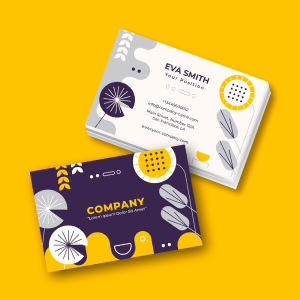
Business cards
First impressions in networking. A professional card conveys credibility and makes follow-up easier.
Packaging labels & stickers
Branding you can touch: product labels, seals and stickers improve unboxing and increase perceived value.
Branded apparel
T-shirts, caps and uniforms turn staff and customers into walking billboards—great for local exposure.
Promotional items
Mugs, tumblers, pens and keychains extend brand presence into daily life and make memorable giveaways.
Sales collateral
Brochures, flyers, menus and tent cards are tangible tools that guide purchase decisions in-store or at events.
Signage & banners
Drive foot traffic and communicate professionalism at events, pop-ups or a storefront.
How printed materials build recognition and trust
- Repetition builds recognition. Seeing your logo on different items makes it more familiar and trustworthy.
- Quality signals competence. Premium finishes and consistent colors suggest attention to detail and reliability.
- Physical items create memory anchors. Customers remember the experience of unboxing or receiving a thoughtfully branded gift.
“Consistency across touchpoints — from business cards to packaging — helps small brands punch above their weight.”
Design & production tips to maximize brand impact
- Stay consistent: Use exact brand colors (hex/RGB), logo versions and typography across all printed assets.
- Choose the right material: Matte vs. gloss, paper weight, vinyl or laminated finishes change perception—pick what matches your brand position.
- Think about scale: Fine details can get lost on tiny stickers; simplify logos for small-format items.
- Request proofs: Always approve a digital proof and, for large or premium orders, request a physical sample before full production.
- Leverage finishes sparingly: Foil, embossing, and spot UV work well for premium products but add cost—use them where they matter most.
An easy action plan for small businesses
Follow this short roadmap to put custom printing to work for your brand:
- Audit your touchpoints: List every customer touch—packaging, receipts, staff apparel, events—and decide which need branding.
- Pick 3 priority items: Choose three printed items to start with (e.g., business cards, product labels, and one promo item).
- Prepare print-ready files: Supply vector logos, high-resolution images (300 DPI), and color specs.
- Order samples: Approve a physical sample to confirm colors and material feel.
- Measure & iterate: Track coupon redemptions, customer feedback and impressions to refine future print orders.
Quick tip: For ecommerce packaging, a small sticker or insert with a discount code often produces measurable repeat purchases and social shares—an inexpensive way to improve LTV.
Case study (short)
A local cafe introduced branded takeaway sleeves, loyalty cards and a limited run of promotional stickers. Within three months they reported:
- Improved brand recall among regulars
- A 12% increase in loyalty-card signups (measured at point-of-sale)
- Higher social shares after customers tagged the cafe’s branded packaging
This example shows how a coordinated print refresh—matched across a few touchpoints—creates momentum without a large ad budget.
Checklist before you hit “print”
- Do you have vector logos and color specs? (Yes / No)
- Have you requested a proof or sample? (Yes / No)
- Does the material match the product use (outdoor vs indoor)?
- Is the size readable and usable for the intended purpose?
- Have you planned for inventory & storage of printed items?
Where to start — recommended first orders
Business cards
Start here if you meet clients and network regularly.
Packaging labels
High ROI for ecommerce product sellers—improves unboxing.
Promo item (mug or sticker)
Low-cost giveaways that keep your name in use daily.
Order Business Cards
Shop Stickers & Labels
Buy Promotional Mugs
Frequently asked questions
- How many printed items should I order to start?
- Start small to test designs—100–500 stickers or 250–500 business cards are common starter quantities for small businesses.
- Is professional printing expensive?
- Costs vary by material and finish, but professional printing often yields better ROI than cheap alternatives because of improved perception and durability.
- How long does production take?
- Standard production is typically 2–7 business days; expedited options are often available for urgent projects.


All the Lorem Ipsum generators on the Internet tend to repeat predefined chunks as necessary, making this the first true generator on the Internet. It uses a dictionary of over 200 Latin words